Selected engineering work / Case study
MockingBird
A local-first wildlife observation platform: cameras and footage in, a searchable record of a place out.
- Role
- Creator & Developer
- Status
- Pre-release · v0.1.0
- Runs
- On your own computer · local sign-in, no cloud account or service
- Stack
- React · FastAPI · SQLite · ONNX Runtime
- Edge
- Raspberry Pi 4 Camera Node
Project summary
- What it is
- A wildlife observation platform for your own cameras. It connects live and recorded sources, detects and tracks animals, and organizes the result into Visits, a Bird Log, a daily Today view, insights and durable local history, with optional visual and acoustic identification.
- What I built
- The whole system as creator and developer: the React interface, FastAPI backend, computer-vision runtime, SQLite persistence and the Raspberry Pi Camera Node, plus the architecture, milestones and acceptance decision for each step.
- Key engineering
- One observation pipeline shared by live cameras, imported clips and a replay harness; a replaceable edge node; forward-only schema migrations with verified backups; and a hard line between model evidence and the reviewed record.
- Evidence here
- Screenshots of the real application, an architecture diagram, real feeder captures from a Camera Node, test and validation evidence from a Pi 4 and a GPU desktop, and a scope section that states what is validated, limited and planned.
The product
01 · The product Point it at a place, and it keeps a record of the wildlife there.
The problem
Backyard and trail cameras produce thousands of mostly empty frames. Security-camera tools treat an animal as a notification, so nothing accumulates into an account of what actually visited, where and when.
The approach
Treat every encounter as structured data: a Visit tied to a camera, a Zone and a time, with its best evidence frames, tracked subjects and any identification. It runs as one local application with local sign-in and no cloud account or service.
02 · What it doesSix jobs, one application.
From the edge device to a daily view of the place, every capability shares the same pipeline and database.
- i.
Connect
A Raspberry Pi Camera Node, RTSP/ONVIF and USB cameras, still-image URLs, and imported video, photos or trail-cam folders. Draw Zones to focus each view.
- ii.
Detect and track
MegaDetector v5a on ONNX Runtime and a tracker assemble frames into Visits with their best evidence, from live cameras or recorded footage.
- iii.
Identify
Optional BioCLIP 2 visual suggestions and BirdNET acoustic context, stored as labelled evidence that can abstain.
- iv.
Observe the place
Today, live camera views, Visits, an Activity Library with search, filters, tags and collections, the Bird Log, Place Story and Insights by Zone and hour.
- v.
Operate reliably
Supervised capture, camera health checks, in-app alerts, storage retention, and verified backup, restore and upgrade paths.
- vi.
Own the data
History in SQLite on disk you control, local sign-in, no cloud account or service, no telemetry, reviewed-only exports, and a Local Data console.
03 · The applicationThe real product, screen by screen.
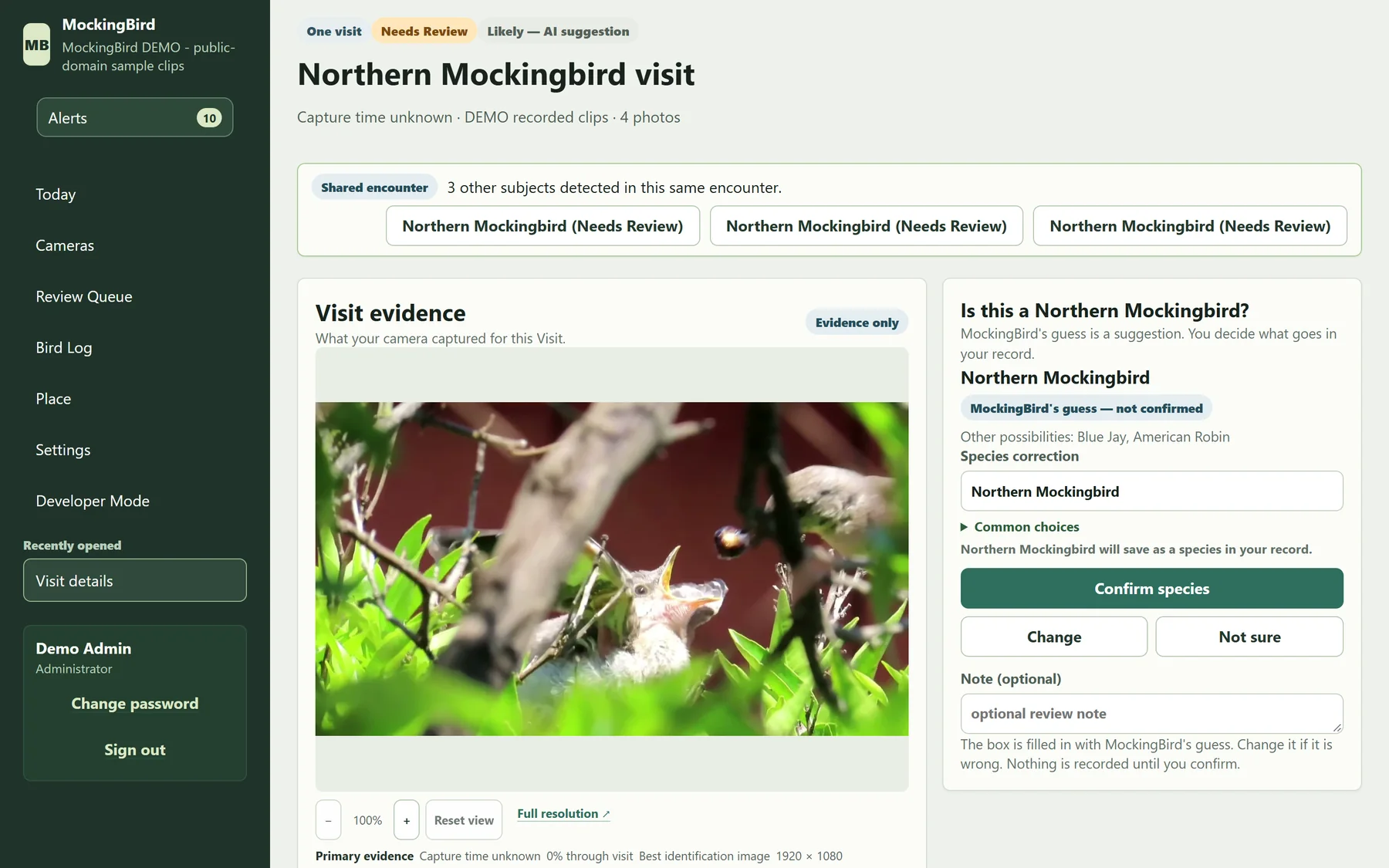
Screenshots of the running application on a demo instance: public-domain sample clips run through the real detector and species model, with nothing pre-confirmed. Tap any screenshot to open it full size.
Evidence, tracking and identification in one place.
Each Visit holds its best frames in a zoomable viewer, the other subjects detected in the same encounter, and an identification suggestion with alternatives. Splitting, merging and re-zoning a Visit are structural edits kept separate from species labels.
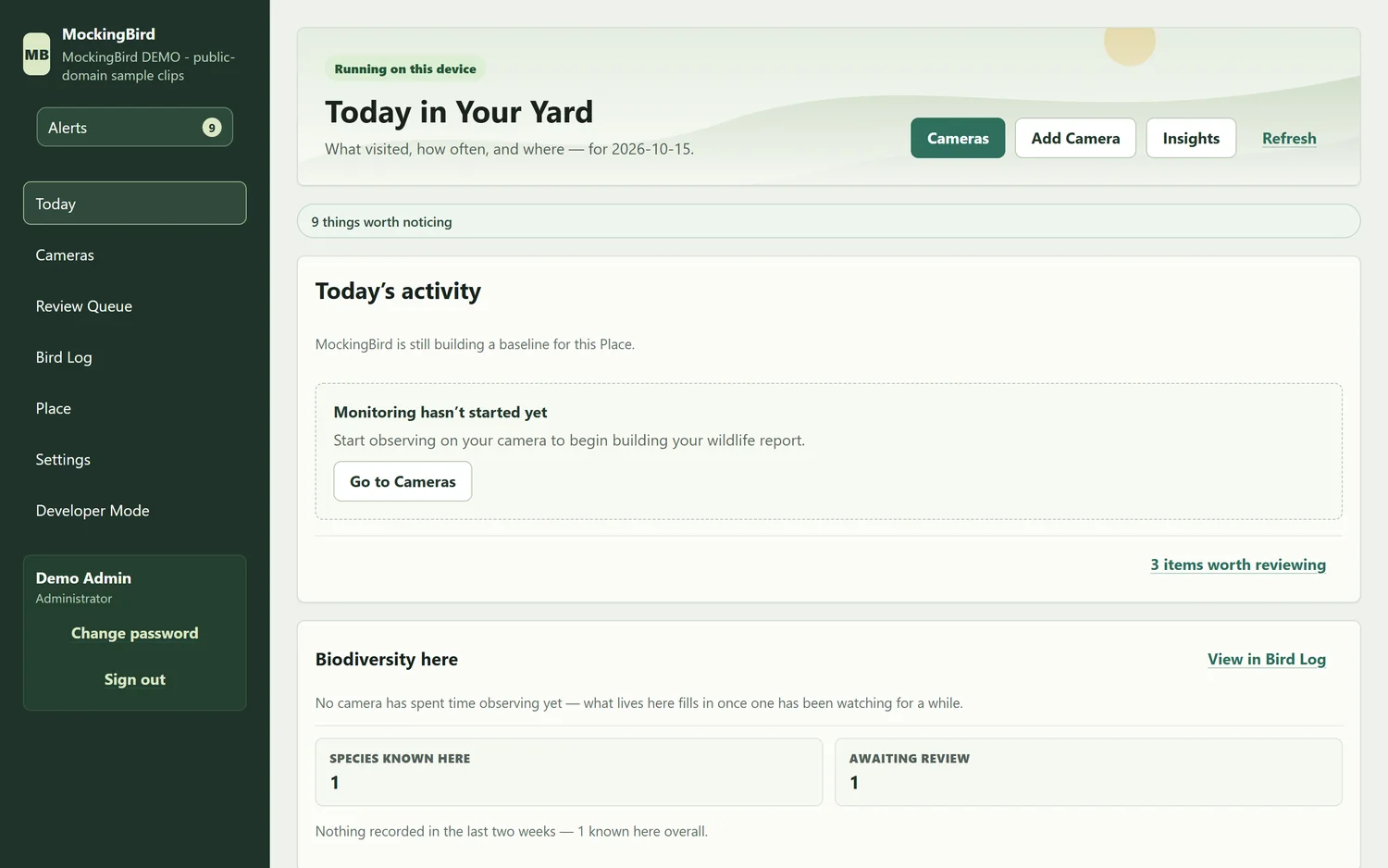
The daily view, and where the data comes from.
Today summarizes what visited, how often and where, with best moments, recent activity, camera health and storage status. Cameras and Zones are set up in the same interface: choose a source type, validate it, and draw the part of the view that matters.
A durable record, kept on your machine.
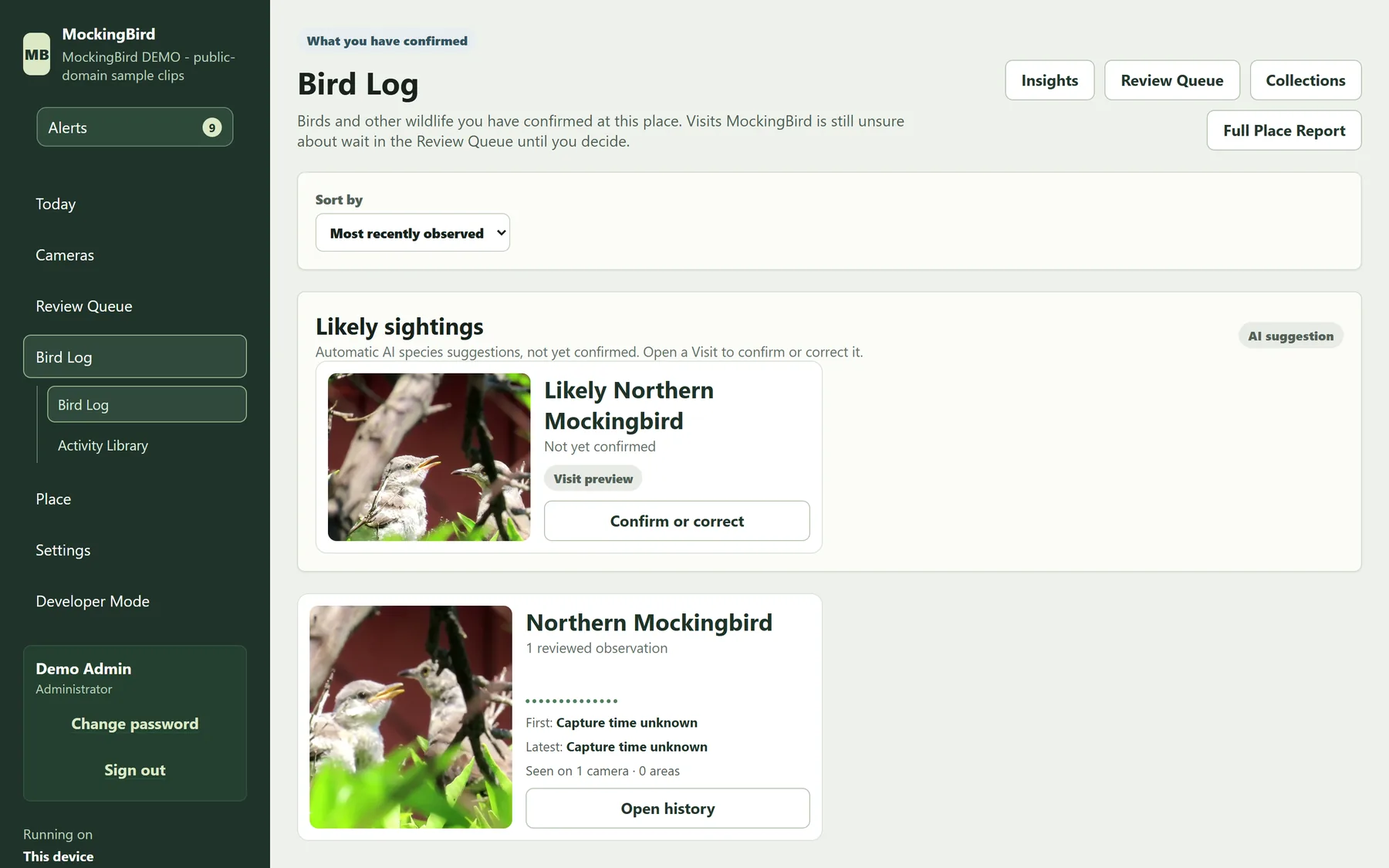
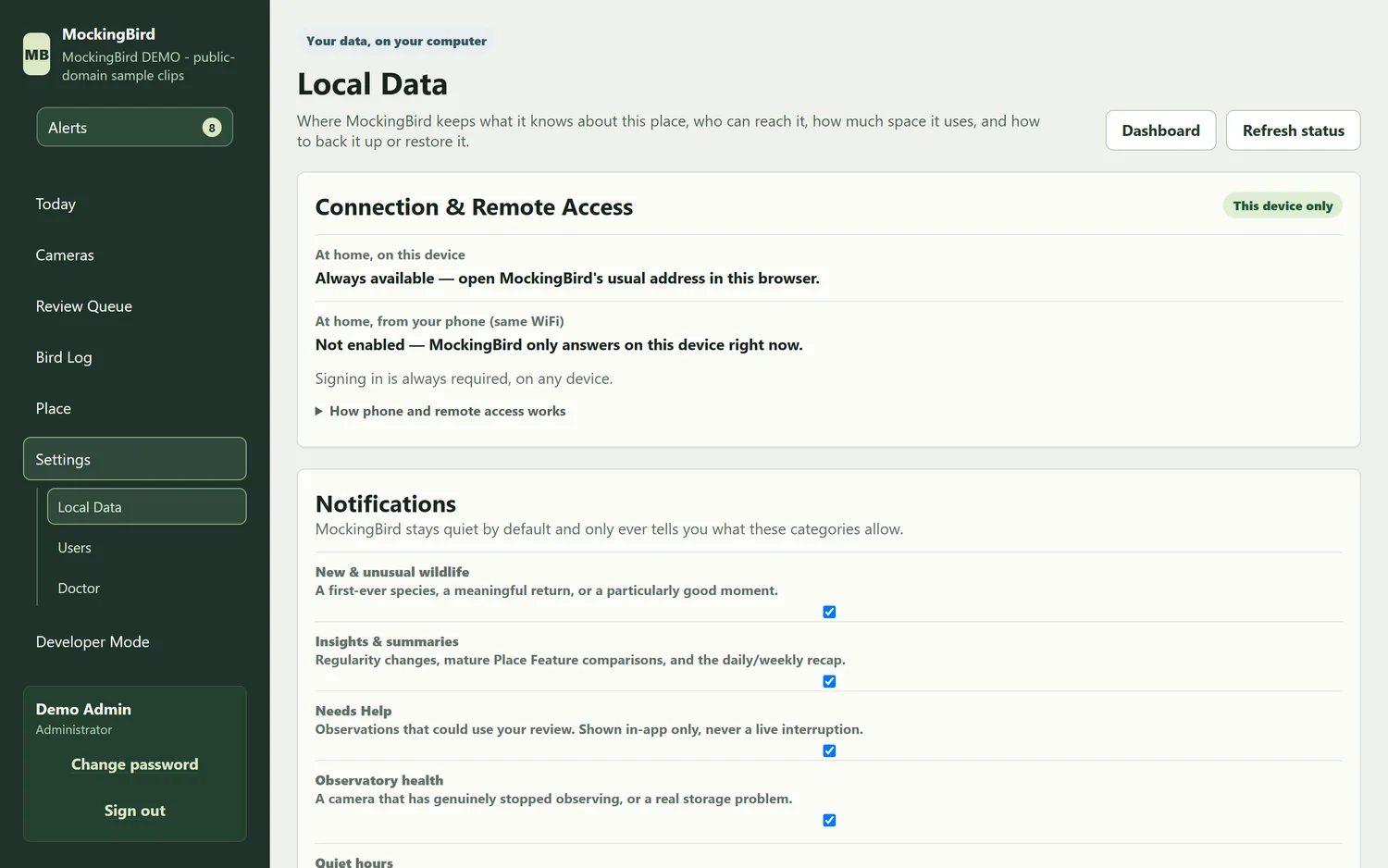
The Bird Log lists confirmed species and holds provisional suggestions apart. Local Data covers device-only access, notification categories, storage and retention, backup and restore, and a storage integrity check.
04 · The engineeringOne host process, replaceable cameras.
Frontend, backend, vision runtime, persistence and edge node, integrated into a single local product.
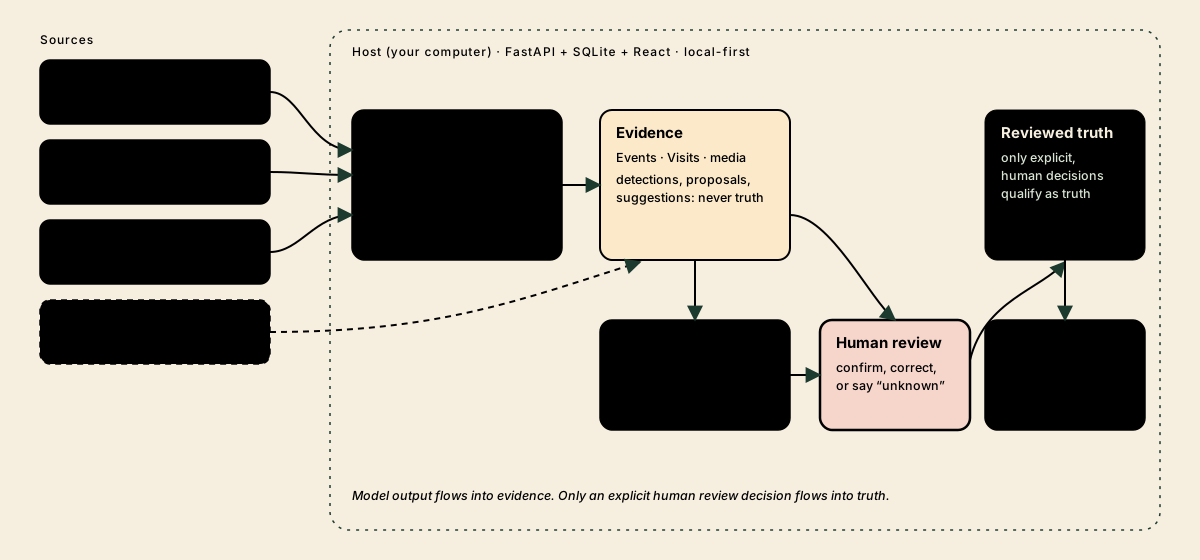
A simplified diagram of the system, drawn from the project’s README and architecture notes.
-
Frontend
A React and TypeScript single-page app of 35 screens (Today, Cameras and Streams, Visits, Activity Library, Bird Log, Place Story, Insights, Local Data, Doctor and more) over a typed API client, with a Playwright browser suite of 53 specs.
-
Backend
FastAPI served from one process alongside the UI: covering authentication, camera and media providers, a durable monitoring supervisor, background workers, analytics and exports.
-
Computer-vision runtime
MegaDetector v5a runs as ONNX on an NVIDIA GPU, feeding a tracker and Zone-aware Visit admission. BioCLIP 2 ranks a closed species list on the CPU. Live and recorded video share the same detect, track, assemble and admit path.
-
Persistence
SQLite on disk you control, with forward-only migrations (schema 62), a verified pre-upgrade backup and rollback-safe restore. Saved evidence is managed media with retention, orphan checks and an integrity scan.
-
Camera Node
The reference edge device is a Raspberry Pi 4 running a small capture-and-transport service under systemd, with pairing, an installer, upgrade and recovery paths and host-clock calibration. It is never the system of record: a replacement node reattaches to the existing logical camera.
-
Acoustic context and test tooling
An optional microphone provider lets BirdNET add sound-based evidence under its own consent, with non-commercial model weights never bundled. A replay harness runs recorded footage through the real admission stack in a disposable database, so a fix can be tested without waiting for another real bird.
05 · ScopeCurrent capabilities and validation.
Taken from the project’s own support matrix and roadmap, not from aspiration.
Built and validated
- Windows 10 host with an NVIDIA RTX 4060 Ti, packaged as a ZIP.
- Pi 4 Camera Node: install, reboot, upgrade, replacement and recovery.
- RTSP and ONVIF cameras, image and video import, Zones, Today, Visits, Bird Log, Insights, Local Data, backup and restore.
Built, with limits
- Live detection needs an NVIDIA GPU; without one, import and review still work.
- Species suggestion is bird-only and uses a closed candidate list.
- Legacy local cameras run two armed streams at once; Camera Node streams are exempt.
- Linux runs from source only. USB cameras have had limited real-hardware acceptance.
Roadmap: not yet built
- Home Assistant, Frigate, Blue Iris and cloud-camera integrations.
- A packaged Linux or macOS host and a code-signed installer.
- The first public 1.0 release.
- Plants, habitat and environmental measurements as full observation domains.
06 · A design decisionEvidence becomes the record in one way.
One engineering choice shapes the data model. Everything a model produces, whether detections, proposals, suggestions or imported labels, is stored as evidence. A single rule in the code decides what counts as reviewed truth, and it only accepts an explicit human decision. The Bird Log, insights and exports are built on that rule, so a model’s guess can’t slip into them unnoticed.
- Capture. The Camera Node sends frames and the Observation Engine admits a candidate Visit with its best evidence.
- Suggest. A species model ranks a closed list of candidates, and abstains when they’re too close to call.
- Review. A person confirms, corrects, or answers “unknown.” Fast Review makes this quick.
- Record. Only that decision feeds the Bird Log. Corrections stay put when later model runs suggest something new.
07 · Field capturesFrom the feeder.
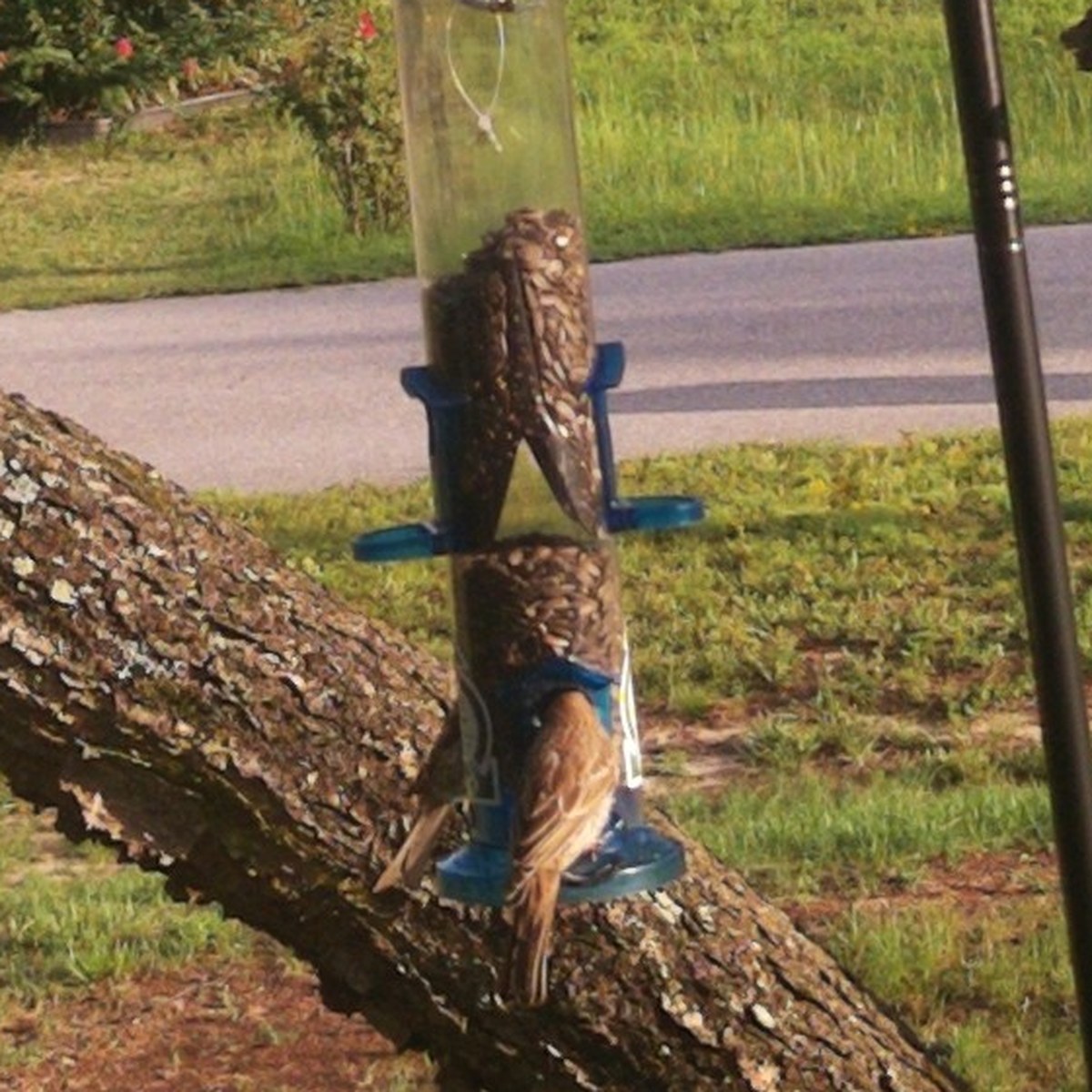
Frames from a Camera Node watching a backyard feeder in summer 2026. They’re tight crops of ordinary motion-triggered captures, small and a little soft, so I show them small.
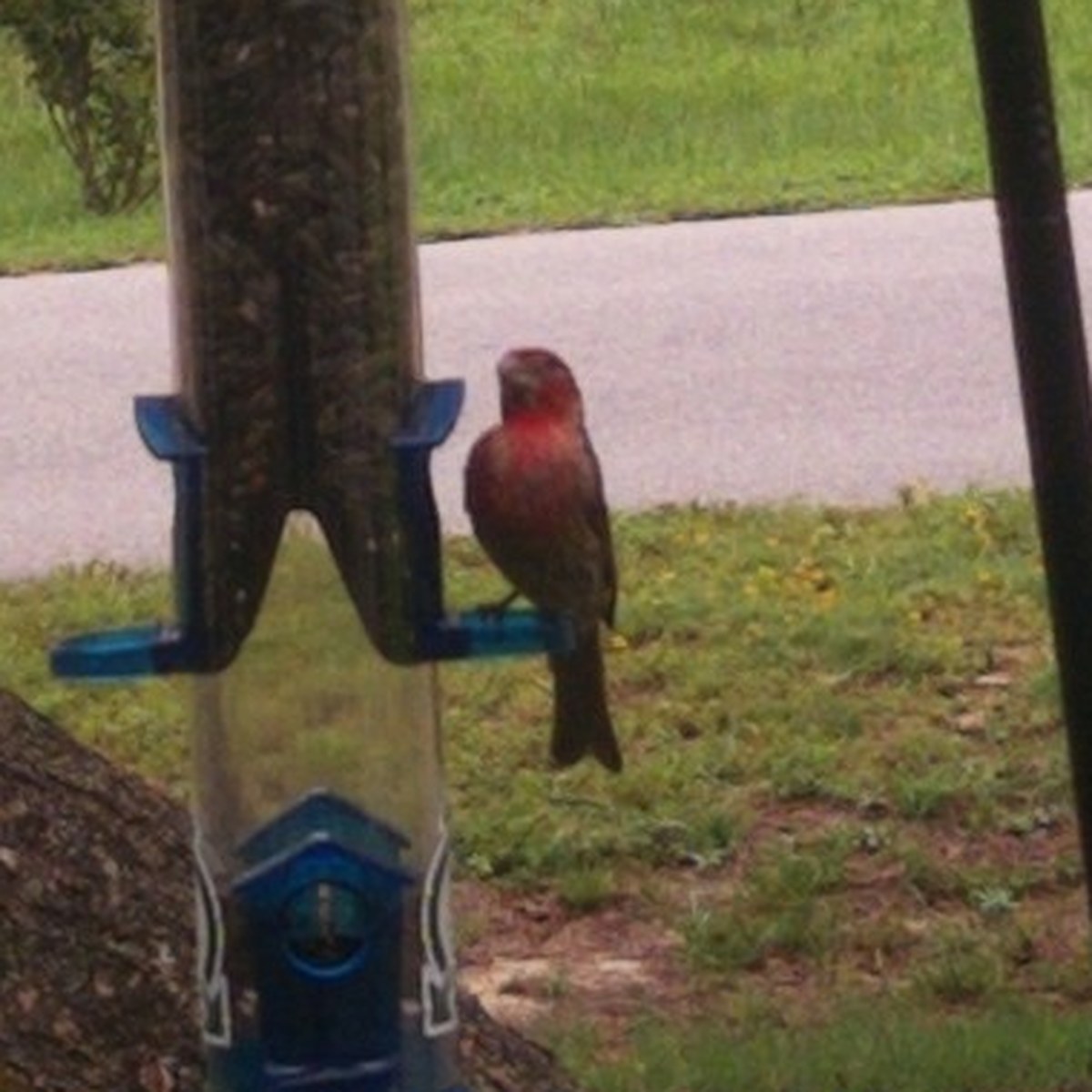
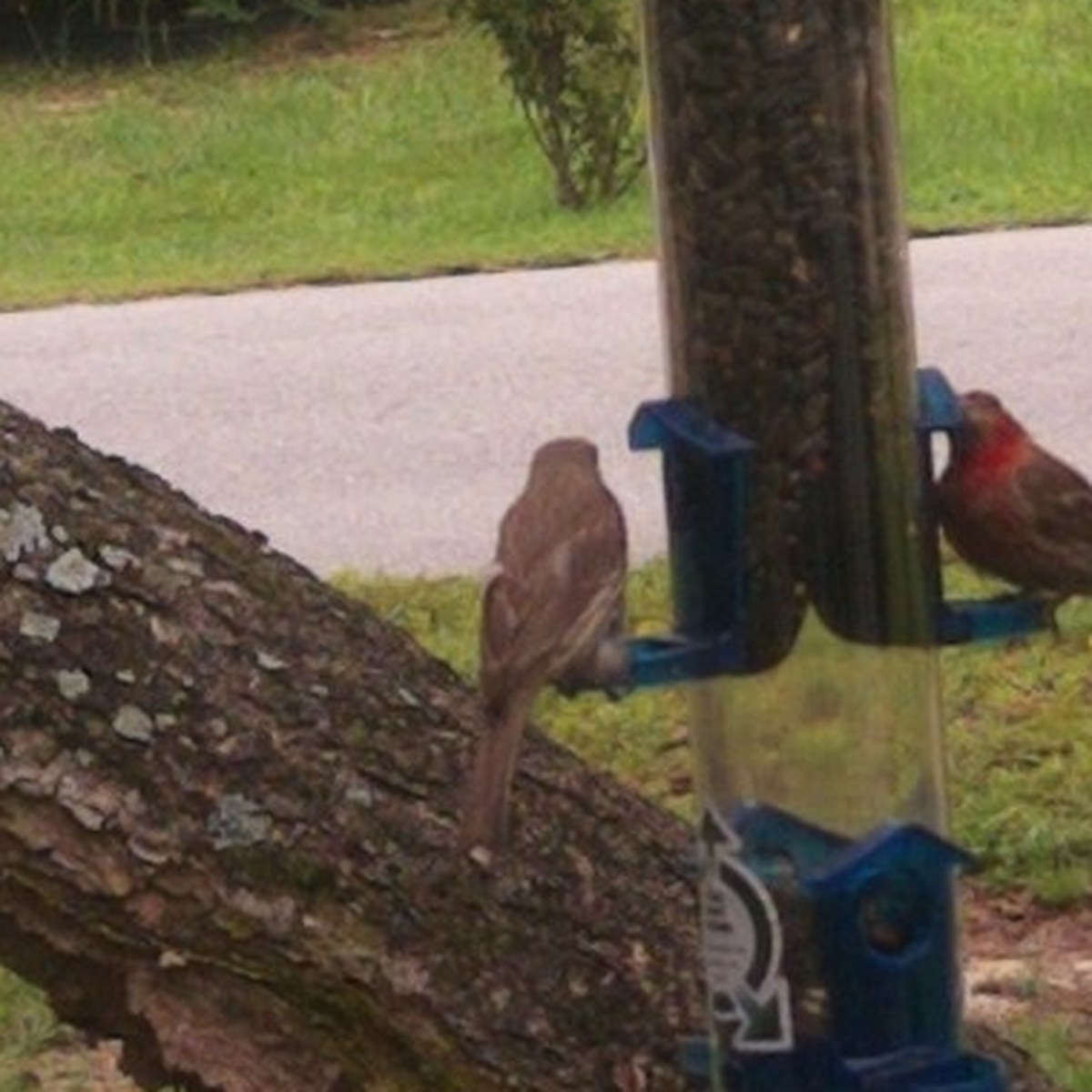
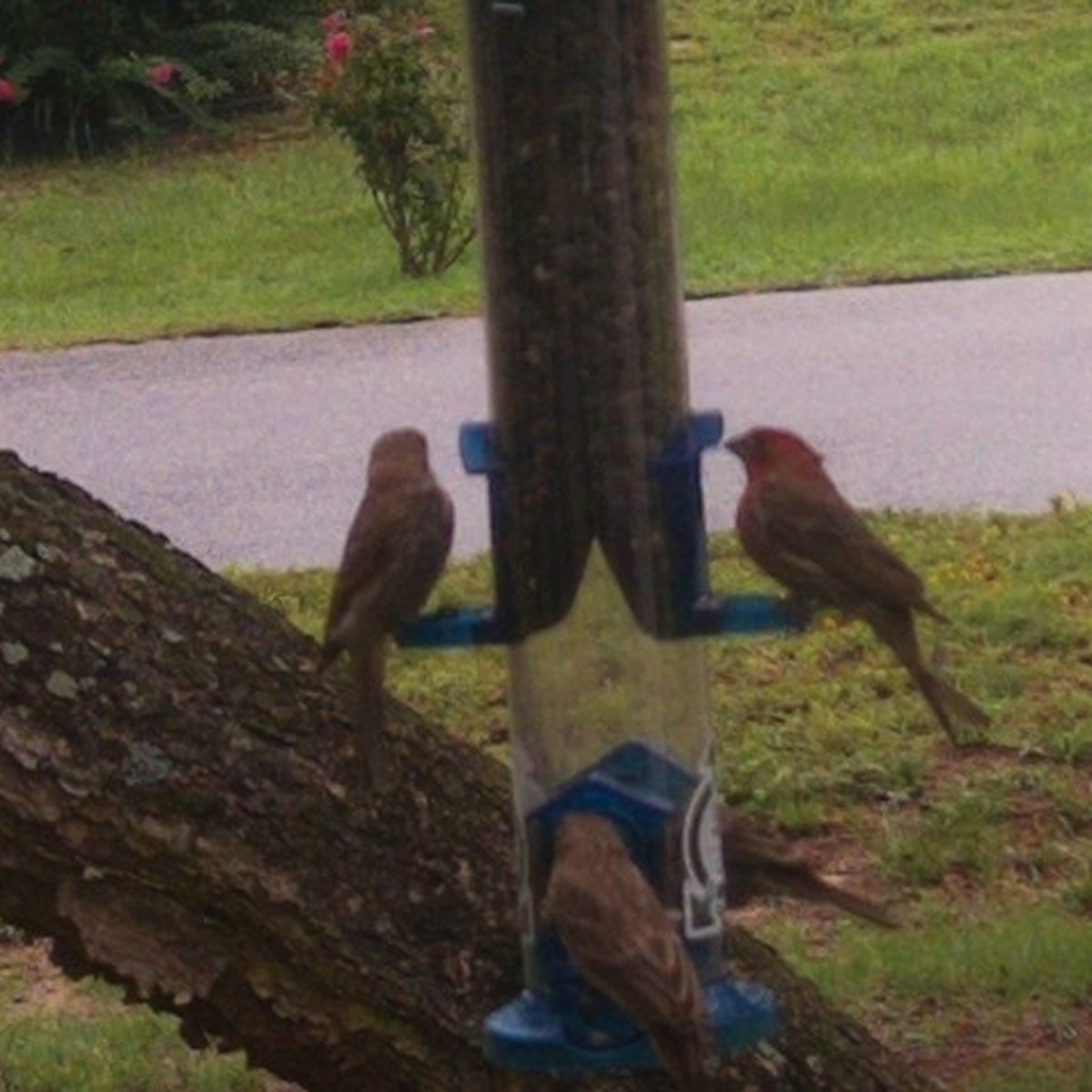
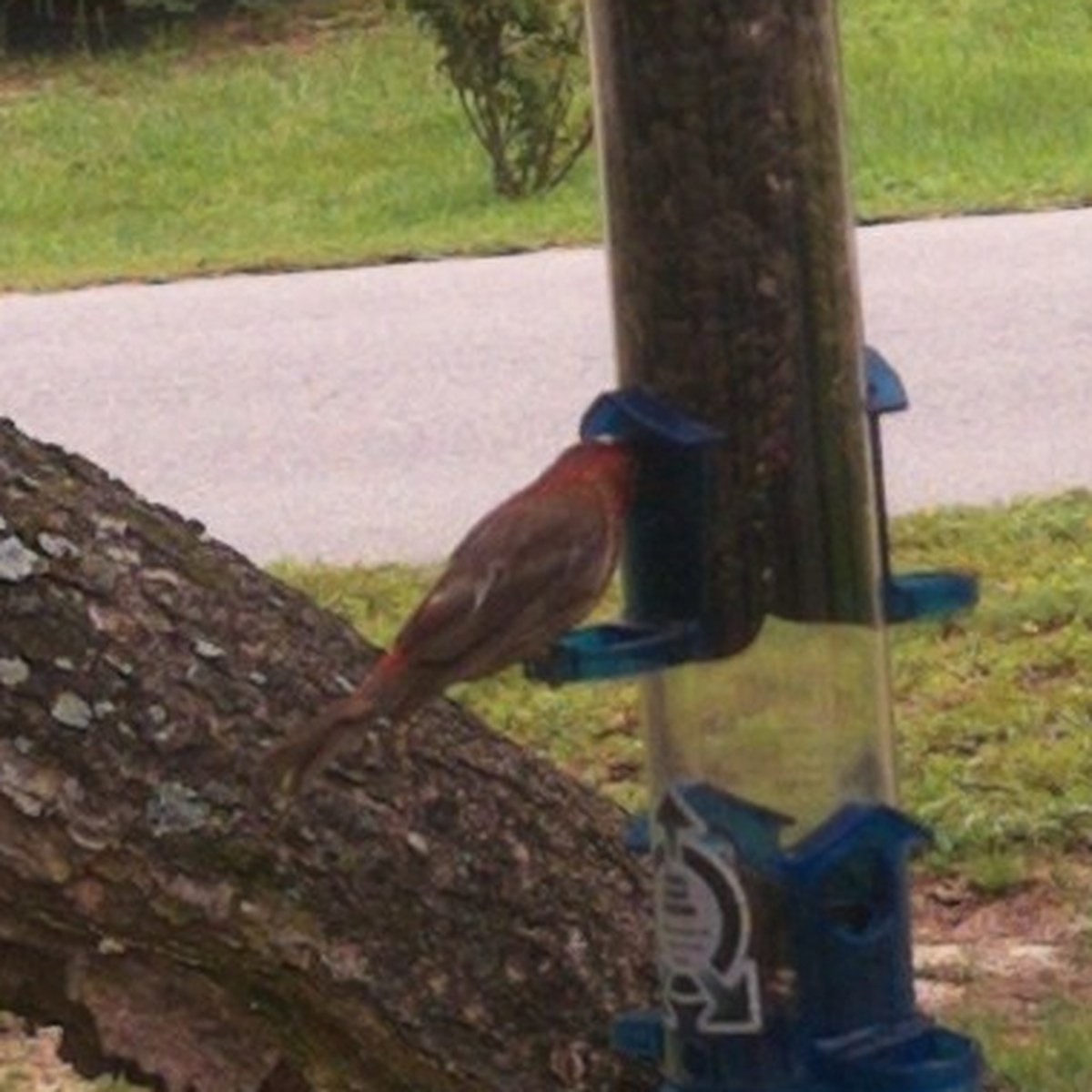
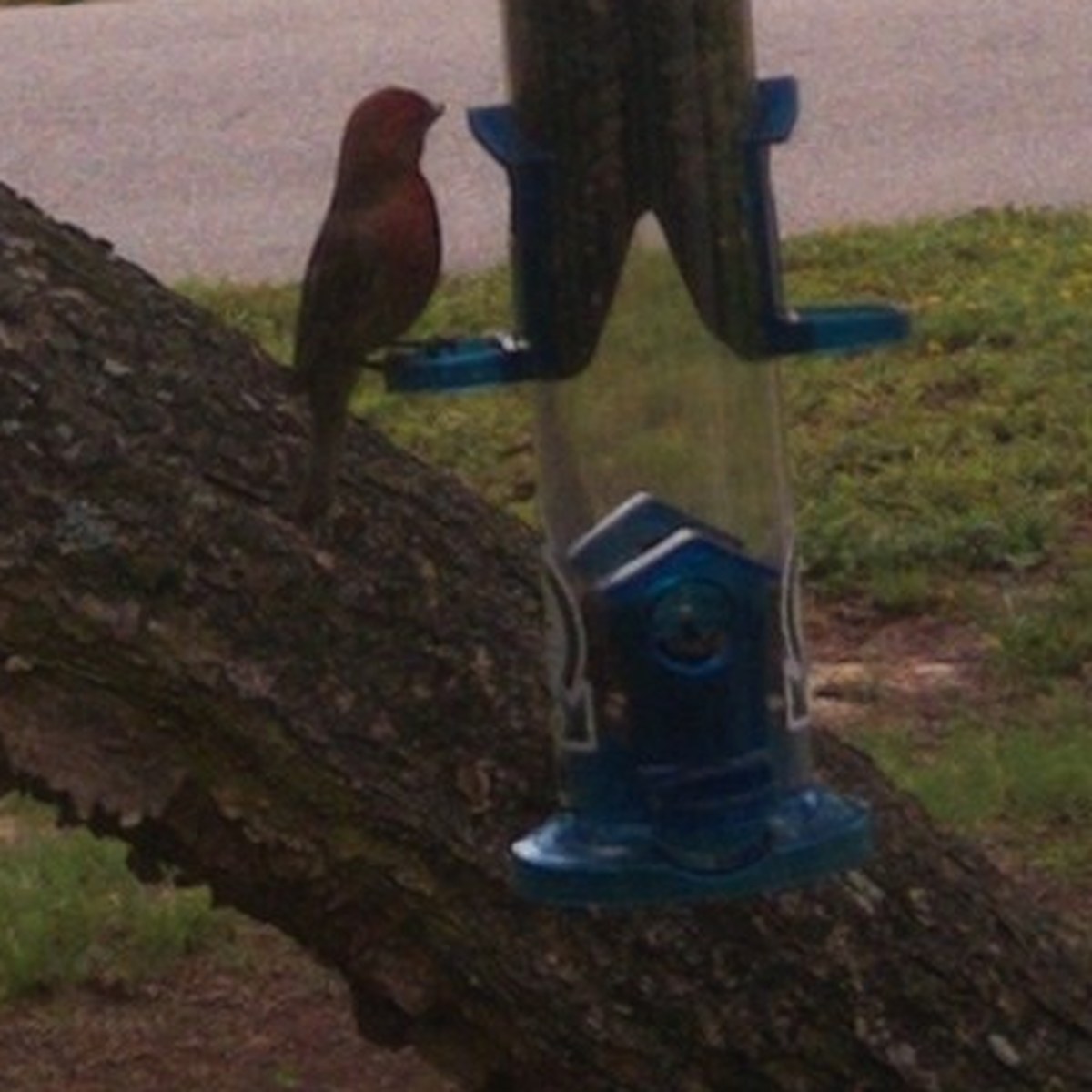
These are crops of motion-triggered frames, re-encoded with location data removed, and wider frames that show neighbouring property are left out. Apart from the reviewed finch above, the birds are unreviewed and no species is confirmed.
08 · Privacy & challengesYour yard stays your data.
Video and data live on disk you control. Nothing uploads automatically, sign-in is local, and there is no cloud account, cloud service or telemetry.
Secrets stay out
Secrets are redacted from status, logs and the support bundle, and a Local Only posture documents exactly which optional features may touch the network.
Zones, described plainly
Privacy and Ignore Zones are trigger-level exclusions, and the documentation says so. They stop a region from creating Visits; they aren’t pixel-level redaction.
Models earn their place
A candidate detector or classifier has to beat the incumbent on identical data before it’s promoted. The benchmark record shows several candidates evaluated and none promoted yet.
Challenges along the way
- Fragmented Visits.One animal can become several Visits, and several can share one. Fixes for continuity, boundaries and multiple subjects have helped, though some over-splitting remains.
- Honest time.Recorded video has no trustworthy capture time, so MockingBird leaves those Visits out of time-based analytics instead of inventing one.
- A closed species list.It keeps suggestions explainable, but a bird outside the list gets a wrong or uncertain answer. Review is the safety net, not a bigger model.
- Hardware reality.Live detection needs an NVIDIA GPU. Real-hardware validation so far covers one Pi 4 Camera Node and one Windows 10 desktop with an RTX 4060 Ti.
09 · How it was builtSpecified, constrained, accepted.
I created and developed MockingBird end to end: the product principles, the architecture, the milestone plan, and the acceptance decision for every step. Development used AI coding assistants working from written task packets, inside guardrails I wrote myself.
Real-hardware validation ran on my own equipment: a Raspberry Pi 4 Camera Node and a Windows 10 desktop with an NVIDIA RTX 4060 Ti.
Product & architecture
The product principles, the evidence-versus-record model, the roadmap, and the scope of each milestone.
Engineering process
A task packet before any edit, a router to the relevant design documents, tiered validation, and an acceptance record per milestone.
Validation & acceptance
Test tiers and hardware sessions run under those records. I decide whether a result is accepted, and which candidate models are not promoted.
- Backend suite
- ≈6,100test functions across 355 files, run in tiers. The last full run had two failures: one pre-existing, one sensitive to machine load.
- Browser suite
- 53Playwright specs, passing at the latest accepted milestone
- Schema
- 62forward-only migrations with verified pre-upgrade backups
Test results come from the project’s accepted release records and weren’t re-run for this page. MockingBird is pre-release (v0.1.0) and the first public release isn’t out yet. The demo’s three clips illustrate the workflow and say nothing about how accurately it identifies birds.
Next: Apex, a quantitative research platform built on real market data.